The $2.4 Trillion Market Value of Character
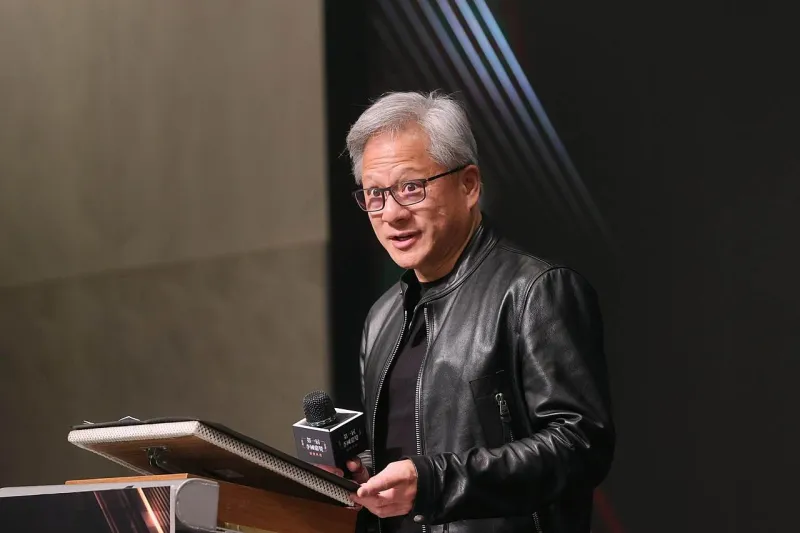
Earlier this year, Nvidia stood at the pinnacle of global business as the world’s most valuable company. This month, it has weathered a staggering $2.4 trillion drawdown in market value following the shock resignation of CEO Jensen Huang over revelations of extramarital affairs with two women—a company vice president who reported to him and an external executive suspected by U.S. intelligence of being a Chinese asset.
While the headlines focus on personal scandal and geopolitical fallout, that $2.4 trillion drop is a massive warning sign of a deeper governance failure: the flaw of character and hyper-centralized leadership.
For over three decades, Nvidia operated with a famously flat structure where dozens of executives reported directly to Huang. That model is a superpower when you are out-innovating the competition. It eliminates bureaucracy and accelerates speed.
However, as analysts have noted, it exposed a critical organizational vulnerability: Nvidia as a corporation was not set up to accommodate his loss, and there was no clear succession plan for what was uniquely a centralized leadership role.
This brings us to an overlooked metric in corporate valuation: The Market Value of Character.
In Organizational Leadership, true character isn't just about personal integrity or work ethic. It is about the discipline to uphold ethical boundaries, the humility to share power, and the foresight to build an institution that outlasts one individual.
Control vs. Stewardship: Centralized leadership prioritizes short-term control. Character-driven leadership prioritizes long-term stewardship. When a CEO concentrates total authority without institutional guardrails, personal lapses instantly become existential corporate crises.
The Succession Test: Holding onto every key decision doesn't make a leader indispensable—it makes the company fragile. When the market realizes a multi-trillion-dollar enterprise relies on a single point of failure, investors aggressively price in that risk the moment the leader falters.
Building Beyond the Founder: The highest expression of executive character is making yourself replaceable. It requires intentionally developing successors and empowering a leadership bench to own the future, rather than leaving a sudden leadership vacuum.
Whether you are leading a global tech giant or a growing team, the market will eventually audit your leadership structure and your character. If your organization cannot survive your personal failure or sudden absence, centralized control hasn't built lasting value—it has created a massive liability.
How do you define the role of character when it comes to executive accountability, sharing power, and planning for succession?
#OrganizationalLeadership #LeadershipCharacter #CorporateGovernance #SuccessionPlanning #JensenHuang #ExecutiveLeadership #BusinessStrategy

